SBA 7(a) vs 504 Loans: Which Is Right for Your Business?
SBA 7(a) is the flexible option for working capital, equipment, buying a business and owner-occupied real estate. SBA 504 is designed for major fixed assets such as a building or long-life equipment, with a long-term fixed rate on the CDC portion.
SBA 7(a) vs 504 at a glance
| Feature | SBA 7(a) | SBA 504 |
|---|---|---|
| Maximum loan amount | Up to $5 million for most 7(a) loans. (Nov. 22, 2026) | Up to $5 million for the CDC portion in most cases, or $5.5 million for qualifying manufacturing or energy projects. The bank portion is separate. (Nov. 22, 2026) |
| Eligible uses | Working capital, eligible business acquisitions or refinances, equipment, and owner-occupied commercial property. A single loan can cover multiple eligible uses. | Major fixed assets such as land, buildings, construction, improvements and equipment with at least 10 years of remaining useful life. Certain qualified refinances are eligible. (Nov. 22, 2026) Working capital and inventory are excluded. |
| Down payment or equity | Varies with the transaction and lender. Ask for the current equity requirement for a startup, business purchase or property project. | Typically at least 10% of project costs excluding administrative costs. At least 15% when the business has operated two years or less or the property is limited or single purpose, and at least 20% when both apply. (Nov. 22, 2026) |
| Rate structure | Fixed or variable, negotiated with the lender within SBA caps. Standard variable-rate maximum spreads are base + 6.5, 6.0, 4.5 or 3.0 percentage points, depending on loan size. (Nov. 22, 2026) | The CDC portion carries a fixed rate tied to Treasury-market pricing. The bank sets the rate and terms for its own portion. Compare both payments. |
| Repayment terms | Generally 10 years or less unless financing real estate or longer-lived equipment. Eligible real estate financing can extend to 25 years, with limited construction exceptions. (Nov. 22, 2026) | CDC maturities of 10, 20 or 25 years. Check the bank’s term, amortization and any balloon separately. (Nov. 22, 2026) |
| Collateral | Lien requirements depend on the loan size, use and lender. Expect the lender to review available business assets, existing liens and any personal guaranties. | The bank typically takes a first lien and the CDC a second lien on the project assets. Guarantees and additional collateral can depend on the deal. |
| Fees | FY 2027 standard upfront fees for maturities over 12 months run from 2% to 3.75% of the guaranteed portion, depending on tier. Exceptions apply. The 0.55% annual lender fee cannot be passed to the borrower. (Nov. 22, 2026) | FY 2027 upfront SBA guaranty fee: 0.50%. Annual SBA service fee: 0.203% for ordinary projects and 0.204% for qualifying no-expansion refinancing. Bank, CDC and closing charges can also apply. (Nov. 22, 2026) |
| Structure | One participating lender makes the loan and SBA guarantees an eligible portion. | A common split is 50% senior lender, 40% CDC financing and 10% borrower equity. The split changes if more equity is required. (Nov. 22, 2026) |
Source: sba.gov, as of November 22, 2026. See 7(a) terms and conditions, 504 program details, and the FY 2027 7(a) and 504 fee notices. 504 equity requirements are in 13 CFR 120.910.
A quoted guarantee fee only tells you part of the cost. On a 7(a) loan, check which portion is guaranteed before calculating the upfront fee. With 504, ask for costs and payments on both loans. Closing costs can include appraisals, environmental reports and legal or title work.
When to choose SBA 7(a)
Buy an existing business
Start with 7(a) if the purchase includes goodwill, equipment, inventory or operating cash. Have a clear purchase-price allocation and ask the lender what equity and seller documents it will require. Budget for staffing and vendor payments during the handoff.
Fund equipment and operating costs together
A growing service business may need machinery plus money for hiring, materials or payroll. A 7(a) can cover eligible expenses together. If your immediate need is payroll or materials, compare working capital options against that longer-term plan.
Refinance eligible business debt
A 7(a) refinance may work when the debt qualifies and the new structure benefits the business. Bring payoff statements and explain how the original proceeds were used. Compare total interest and fees as well as monthly payments.
Buy property as part of a larger project
If you’re buying a building and an operating company together, or need an operating cushion when you move, ask whether one 7(a) can cover the eligible uses. Ask the lender how the mix of costs affects the repayment term.
When to choose SBA 504
Buy or build the property you operate from
A company buying its shop, office or warehouse can use a 504 for a qualifying owner-occupied project. Have the lender and CDC review the floor plan and rentable space before committing to a building with tenants.
Finance a large, long-life equipment purchase
A 504 may make sense for heavy production equipment with a long remaining useful life. For a smaller or time-sensitive purchase, compare equipment financing using the same quote and down-payment assumptions.
Modernize a facility you already own
An expansion, retrofit or major renovation may fit if the project costs qualify. Get contractor bids and build a realistic contingency. Ask how construction draws are handled and when the permanent loan replaces interim financing.
Three examples from service businesses
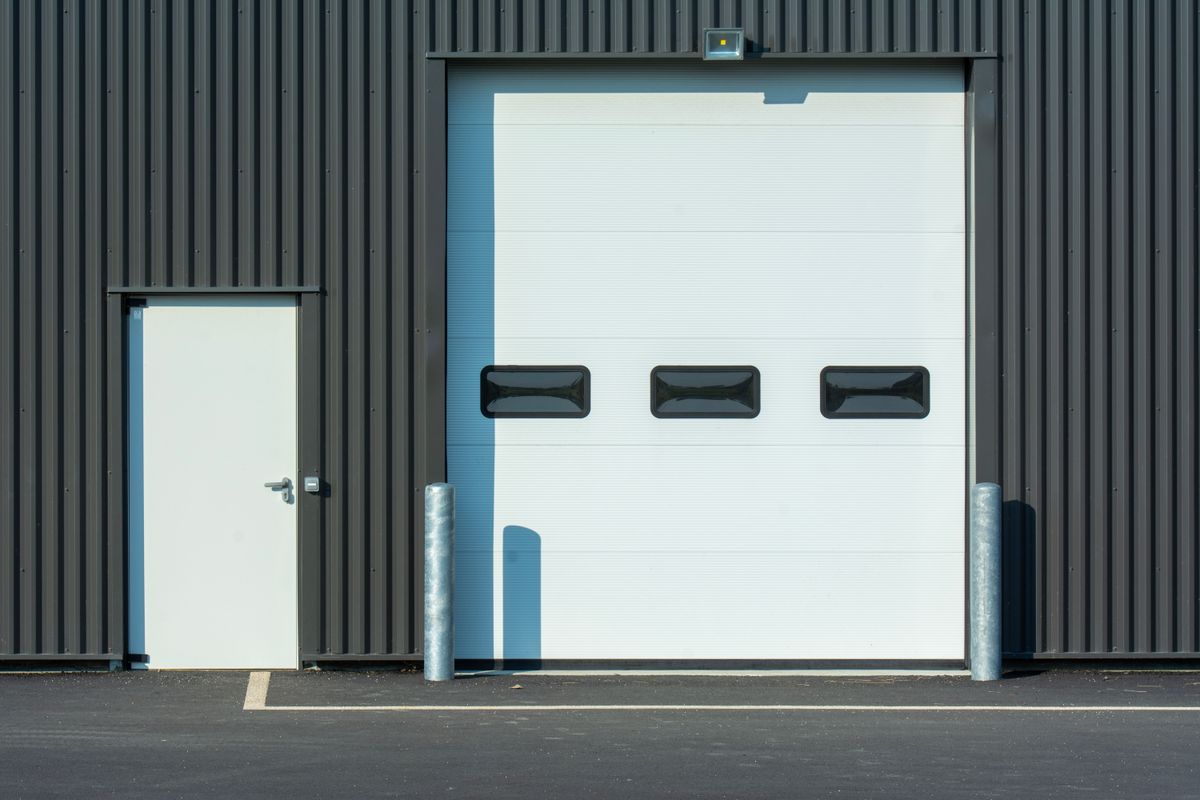
A contractor buys a yard and shop
Start with 504 if the established contractor will operate from the site and the budget is mainly the property and eligible improvements. The lender should review site use, zoning and any environmental concerns early. If the contractor also needs bid mobilization cash, price that separately or ask about one 7(a). See business loans for contractors.
An auto repair shop buys its building
Start with 504 if the shop will occupy the building and wants long-term financing for the property. If the deal includes buying another operator’s business, stocking parts or funding payroll after closing, a 7(a) may fit better. See auto repair shop loans.
A landscaper buys machines and covers payroll
Start with 7(a) when the same plan includes mowers, trucks and operating cash before the busy season. If the equipment purchase is separate and needs to close quickly, get an equipment quote as well. See landscaping business loans.
Can you use both SBA programs?
Yes. A business might use 504 financing for a shop building and 7(a) for a separate working capital requirement. Build two budgets that show which loan pays which expense, then have the lender and CDC review the combined debt payments, lien positions, eligible costs and approval sequence. A 7(a) loan generally cannot supply the required equity contribution to the 504 project.
SBA’s expanded combined financing policy allows eligible borrowers who secure the 7(a) first to access up to $5 million in 7(a) and $5 million in 504 financing, up to $10 million under that policy (checked November 22, 2026). Do not assume a building loan already in place qualifies for the expanded treatment. Confirm the order before setting a closing date. SBA combined financing announcement.
Eligibility and what to have ready
Both programs generally serve eligible for-profit businesses operating in the United States that meet SBA size and ownership requirements and can demonstrate repayment ability. Expect lenders to look at business and personal financial information, existing debt, owner equity and the proposed use of the money. A 504 project may also need to meet an economic-development or public-policy objective.
For property, the business generally must occupy at least 51% of an existing building’s rentable space or at least 60% initially for new construction, with additional rules for future occupancy and leasing (checked November 22, 2026). Bring a floor plan and any leases. The lender can confirm how your layout counts before you make an offer. Federal occupancy rules.
What happens between application and funding
The process starts with a document list. Typically you’ll provide business financials, tax returns, a debt schedule, ownership information and the purchase contract or equipment quotes. Underwriting comes next. The lender may ask about deposits, recurring revenue, projections or what changes after you buy the property or business.
After a credit decision, get the remaining conditions in writing. Appraisal, valuation, environmental and title work can affect the schedule, depending on the deal. Once the lender clears the conditions, closing documents are prepared and signed. On a 504 project, ask how the bank, interim lender, CDC and closing agent coordinate disbursement and recording. Property closing and permanent CDC funding can happen on different dates.
Estimate your payments
Run both structures against the same project budget. Include equity, expected fees and any expenses you’ll have to fund yourself. For a 504, account for the bank and CDC portions. For a variable 7(a), model what could happen if the rate rises after closing.
SBA 7(a) and 504 FAQs
Which has lower rates, SBA 7(a) or 504?
The fixed CDC rate on a 504 can be attractive, but the project also carries a separate bank loan. Compare both 504 payments, fees and cash required at closing with a complete 7(a) quote. For a variable 7(a) offer, calculate what a higher base rate would do to the payment.
Can I use a 504 loan for working capital?
A 504 loan does not fund working capital or inventory. If you need payroll, inventory or operating reserves alongside a building purchase, compare a 7(a) for the whole eligible project with a 504 for the fixed assets and separately arranged operating financing.
What is a CDC?
A Certified Development Company is a nonprofit organization certified by the SBA to help arrange 504 financing. The CDC coordinates its portion of the transaction with the borrower and senior lender and helps determine which project costs qualify.
How much down payment do I need?
A typical 504 minimum is 10%, increasing to 15% for a newer business or limited-purpose property and 20% if both apply. Figures checked November 22, 2026. A 7(a) contribution depends on the transaction and program requirements. Ask the lender to show the equity requirement and the total cash to close, including fees and reserves.
Can I buy a business with a 504 loan?
A 504 loan may cover eligible real estate or equipment involved in a transaction. A 7(a) is generally the better starting point for an operating-business acquisition that includes goodwill, inventory and working capital. Ask the lender to review the purchase-price allocation before choosing the structure.
How long does each loan take to close?
Timing varies with the lender and the deal. A property purchase can require an appraisal, environmental review and title work. A business purchase may require a valuation. With 504 financing, ask whether an interim loan is needed and when the CDC debenture is expected to fund.
Talk through your SBA financing options
Tell us what you’re buying, what else the project needs and when you want to close. We’ll help you compare lender options and work through the questions that affect your cash at closing and monthly payments. You can also start with our SBA loan overview.
Get Started